How Much Does a New AC Unit Cost in Florida? (2026 Guide)
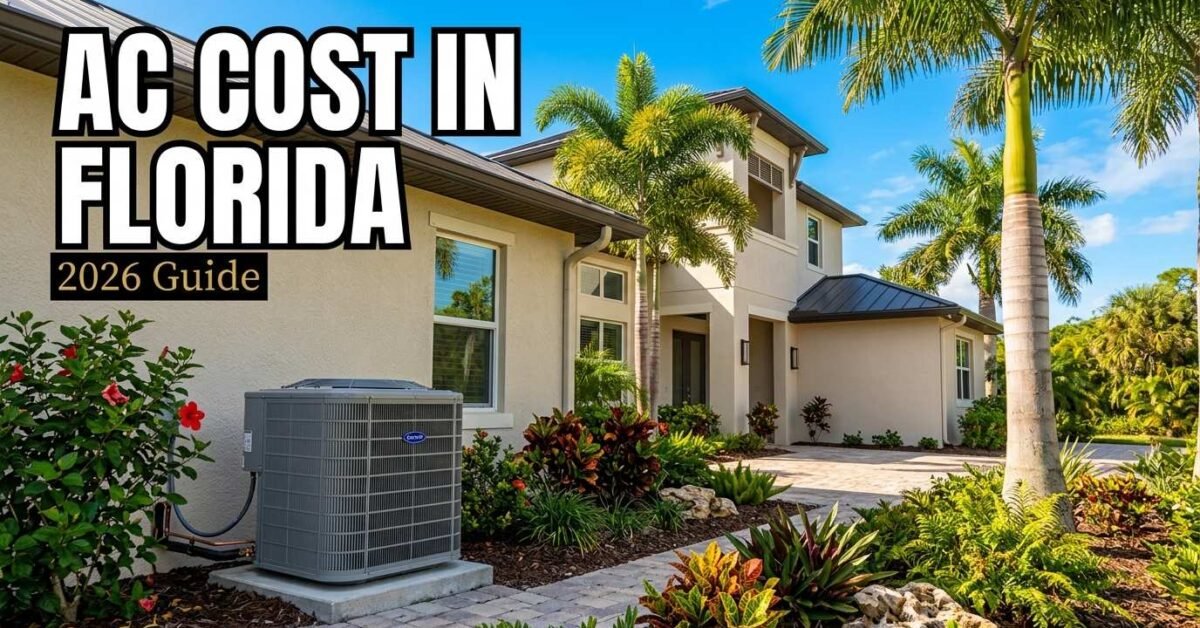
Florida’s year-round cooling demand makes air conditioning less of a comfort feature and more of a utility — and replacing it is one of the biggest home expenses Floridians face. Whether you are in Miami’s salt air, Orlando’s humidity, or Jacksonville’s slightly milder north, this guide covers what AC replacement costs in Florida in 2026, what makes Florida pricing different from the rest of the country, and how to navigate the decision.
What does a new AC unit cost in Florida?
Installed central AC replacement costs in Florida generally sit near or slightly above the national average, depending on the metro. The state’s moderate labor costs offset the higher cooling demand and longer equipment lifespan stress. Most Florida homes need 2.5 to 4.5 ton systems — the Florida cost breakdown page shows the statewide range, and metro-level estimates are available for Miami, Orlando, Tampa, and Jacksonville.
What makes Florida different
Four factors shape AC pricing and performance in Florida that do not apply in most other states.
Year-round runtime
Florida AC systems run 8 to 12 months a year in most of the state, logging far more runtime hours than systems in four-season climates. That heavy use means systems wear out faster — a unit that lasts 15 to 17 years in Ohio may last 10 to 13 in South Florida. It also means efficiency matters more here than almost anywhere: the monthly bill difference between a base 14.3 SEER2 and a high-efficiency 18 SEER2 system compounds over a much longer cooling season. Estimate that difference with the SEER2 savings calculator.
Humidity control
Florida’s high humidity makes correct sizing especially critical. An oversized AC cools the air temperature quickly but shuts off before it has removed enough moisture, leaving the home cold and clammy — a common complaint in Florida homes with mis-sized equipment. A properly sized system runs longer, steadier cycles that pull humidity down and keep the home genuinely comfortable. Use the sizing wizard to find the right tonnage for your Florida home.
Coastal corrosion
Homes within a few miles of the coast in Miami-Dade, Broward, Palm Beach, the Tampa Bay area, and the Gulf Coast face accelerated corrosion from salt air. Outdoor condenser coils, cabinets, and copper lines degrade faster in salty environments. Coastal-rated condensers with corrosion-resistant coils and powder-coated or composite cabinets cost more up front but significantly extend equipment life. If you are near the coast, ask contractors specifically about coastal or marine-rated equipment.
Hurricane and building codes
Florida’s building code, especially in the High-Velocity Hurricane Zone (Miami-Dade and Broward counties), includes wind-resistance requirements for outdoor equipment mounting and sometimes for roof-mounted ductwork. These code requirements can add modest cost to an installation but are non-negotiable for compliance and insurance purposes.
Florida utility rebates in 2026
With the federal Section 25C heat pump credit expired, Florida utility rebates are the primary incentive for 2026. The major providers and their typical programs include FPL (Florida Power and Light), which periodically offers rebates on qualifying high-efficiency AC and heat pump installations; Duke Energy Florida, which runs similar programs in its Central and North Florida territory; TECO (Tampa Electric), with seasonal equipment rebates; and JEA in Jacksonville, which offers periodic rebate programs as a municipally owned utility. Programs, amounts, and eligibility change by year, so confirm with your provider or check the rebate finder before committing.
AC cost by Florida metro
Prices vary across the state. South Florida (Miami, Fort Lauderdale) tends to sit at the higher end, reflecting coastal premiums, hurricane-code requirements, and higher demand. Central Florida (Orlando, Tampa) is mid-range with a competitive contractor market. North Florida (Jacksonville, Tallahassee) often sits near or slightly below the state average due to lower labor costs and a slightly shorter cooling season. For a metro-specific estimate, visit the cost pages for Miami, Orlando, Tampa, or Jacksonville.
Heat pump or AC in Florida?
Florida’s mild winters make heat pumps an excellent choice for most of the state. A heat pump replaces both your AC and your heating system, and in a climate where heating demand is light, the heat pump handles both jobs efficiently without the need for a separate gas furnace. Many newer Florida homes are built with heat pumps as the default. Compare the cost with the heat pump cost calculator and running costs with the heat pump vs furnace calculator.
How to get the best deal in Florida
Florida’s large and competitive contractor market works in your favor. Get at least three bids, compare not just price but equipment brand, efficiency rating, and warranty terms. Schedule in the fall or early spring when demand is lowest — summer emergency replacements command premium pricing and longer wait times. Ask about coastal-rated equipment if you are within five miles of salt water. And always ask the contractor for a Manual J load calculation — in Florida’s humidity, the penalty for oversizing is worse than in dry climates, so getting the size right matters more here than in most states.
Frequently asked questions
How much does a new AC unit cost in Florida?
Installed central AC replacement costs in Florida vary by metro and system size. South Florida tends to be higher due to coastal premiums and hurricane codes; North Florida is often slightly below the state average. Use the Florida cost page for a statewide range or visit the metro pages for city-specific estimates.
How long does an AC last in Florida?
Florida’s heavy year-round usage means AC systems often last 10 to 13 years, shorter than the 15 to 17 year national average. Coastal homes may see even shorter life due to salt-air corrosion.
Is a heat pump better than AC in Florida?
For most of Florida, yes. The mild winters make heat pumps highly efficient for both heating and cooling, and many newer Florida homes use them as the default system.
Are there AC rebates in Florida in 2026?
Yes. FPL, Duke Energy, TECO, and JEA all periodically offer rebates on qualifying high-efficiency installations. The federal 25C heat pump credit expired in 2025, so utility rebates are now the primary incentive. Check your provider for current programs.
Get real quotes from local HVAC pros
Compare installed prices from licensed contractors near you. Free, no obligation — takes about a minute.