How Much Does Heating Installation Cost in 2026?
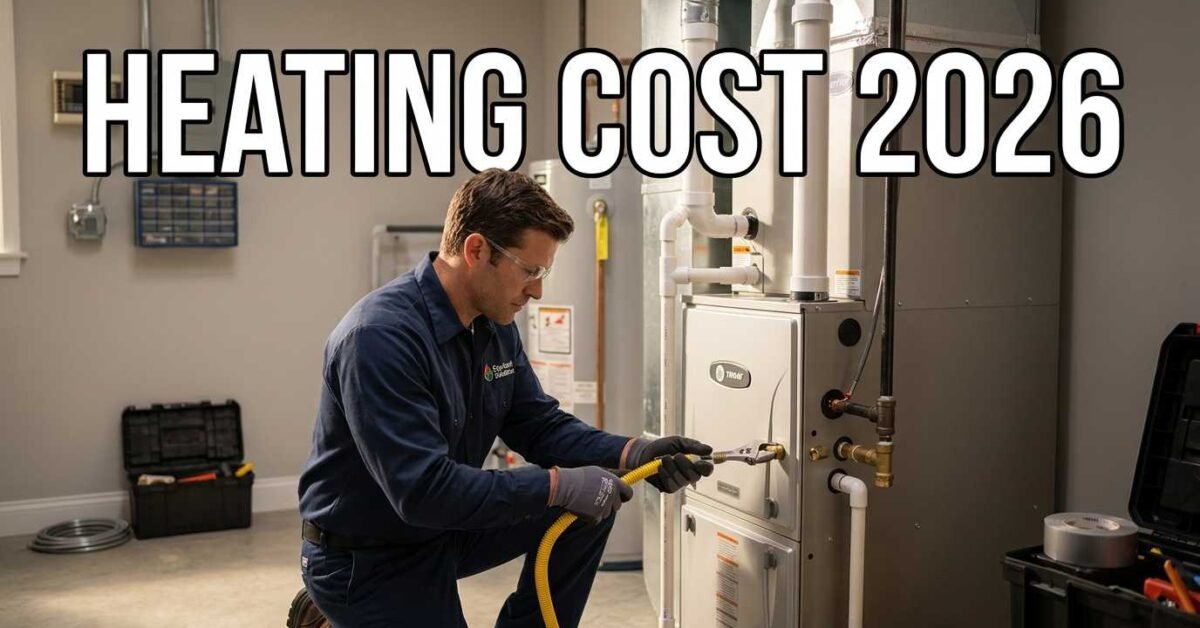
Heating installation cost is one of the broadest HVAC questions homeowners search, and the answer depends heavily on what kind of heating system you are installing or replacing. A gas furnace, a heat pump, a boiler, and electric baseboard all have different price ranges and different running costs. This guide breaks down what each type costs installed in 2026 and which makes financial sense for your climate and energy prices.
Heating installation cost by system type
Gas furnace
A gas furnace is the most common heating system in colder U.S. climates. Installed cost depends on the unit’s BTU output and efficiency (AFUE rating). A standard 80% AFUE furnace costs less than a high-efficiency 96%+ condensing furnace, but the high-efficiency model saves on every gas bill. Size the furnace for your home with the furnace sizing calculator.
Heat pump
A heat pump handles both heating and cooling, which makes the installed cost comparison different from a furnace alone — you are replacing two pieces of equipment with one. In mild to moderate climates, a heat pump often costs less to operate than a gas furnace, especially where electricity rates are reasonable. See the full heat pump cost calculator for state-specific pricing.
Boiler
Boilers are common in the Northeast and Midwest, especially in older homes with radiators or baseboard. They cost more to install than furnaces but deliver even, comfortable radiant heat. Estimate your boiler size with the boiler sizing calculator.
Electric resistance (baseboard/wall heaters)
Electric baseboard heaters are the cheapest to install but the most expensive to operate — electricity-to-heat conversion is far less efficient than a heat pump or gas furnace. In most cases, they make sense only as supplemental heat in mild climates or small spaces.
What drives heating installation cost
System size (BTU output or tonnage) is the primary factor: larger homes in colder climates need more heating capacity. Ductwork matters too — adding new ducts to an older home that never had forced-air heating is a significant additional cost, which is why many older homes in the Northeast switch to ductless mini-split heat pumps or stick with boilers. Your state’s labor rates and permit costs create meaningful regional variation. And efficiency tier always presents a trade-off: higher upfront cost for lower monthly bills.
Which heating system should you choose?
The decision usually comes down to your climate, fuel prices, and what infrastructure your home already has. If you have gas service and existing ductwork in a cold climate, a high-efficiency gas furnace is often the most practical choice. If you want one system for both heating and cooling, a heat pump eliminates the need for a separate furnace. If you have radiators or in-floor radiant, a boiler replacement keeps the delivery system you already have. Compare the running cost of a heat pump versus a gas furnace for your specific state and energy prices with the heat pump vs furnace calculator.
Frequently asked questions
How much does heating installation cost?
It depends on the system type: gas furnaces, heat pumps, and boilers all have different installed cost ranges. Climate, system size, and whether new ductwork is needed set the final price.
What is the cheapest heating system to install?
Electric baseboard heaters are cheapest to install but most expensive to run. A standard gas furnace offers the best balance of install cost and running cost in cold climates with gas service.
Is a heat pump cheaper than a furnace to install?
A heat pump costs roughly the same as an AC-plus-furnace combination, since it replaces both. The running-cost comparison depends on your electricity rate vs gas price.
Get real quotes from local HVAC pros
Compare installed prices from licensed contractors near you. Free, no obligation — takes about a minute.